



80% of deskless workers don’t have a work email — your wellbeing program isn’t failing, it’s just not designed for them.
When manufacturing workers don’t sign up for wellbeing programs, it looks like disinterest. It’s actually a design problem. This article breaks down 5 practical tactics — peer champions, supervisor involvement, mobile-first outreach, shift-timed messaging, and peer recognition — that one manufacturer used to reach 68% enrollment and save over $800K without increasing their budget.
If you’re a HR or Benefits Team working in manufacturing, you’ve probably seen this before:
- You launch a new health and wellbeing benefit
- Desk workers have signed up fast
- Deskless workers have not
It might look like deskless workers simply aren’t interested. But the reality is…:
47% of frontline employees say the communication tools their company uses feel designed for desk workers, not them.
1. Let your people do the talking & become natural wellbeing champions
A recent study found that 70% of frontline, manufacturing workers would rather learn something new from a coworker than sit through formal training. Companies that lean into this with structured peer knowledge-sharing see production errors drop by 10%.
How to apply this in your organization: If you want more people to actually use your wellbeing program, don’t solely rely on a company-wide announcement. Find two people per site/floor who already have everyone’s ear, give them the basics, and let them spread the word their own way. Thus, creating organic Wellbeing Champions.
2. Get your supervisors involved
Supervisors matter. Gallup has tracked this for years and found that managers account for about 70% of the difference in how engaged a team is.
How to apply this in your organization: If your wellbeing updates only ever come from Senior Leadership, you could be skipping the one person your employees actually listen to day to day. A thirty-second mention from a team lead could do more than a company-wide email.
3. And on that note… stop relying on email
A lot of email never gets read. About 80% of deskless workers don’t have regular access to a work email account in the first place, and even for the ones who do, most email still gets opened on a desktop computer, which isn’t exactly where someone on the floor spends their day.
Texts and mobile push notifications, on the other hand, get opened almost every time, somewhere around 98%, compared to roughly 20% for email. A sign by the time clock or a quick text does more work than a campaign sitting in an inbox nobody checks.
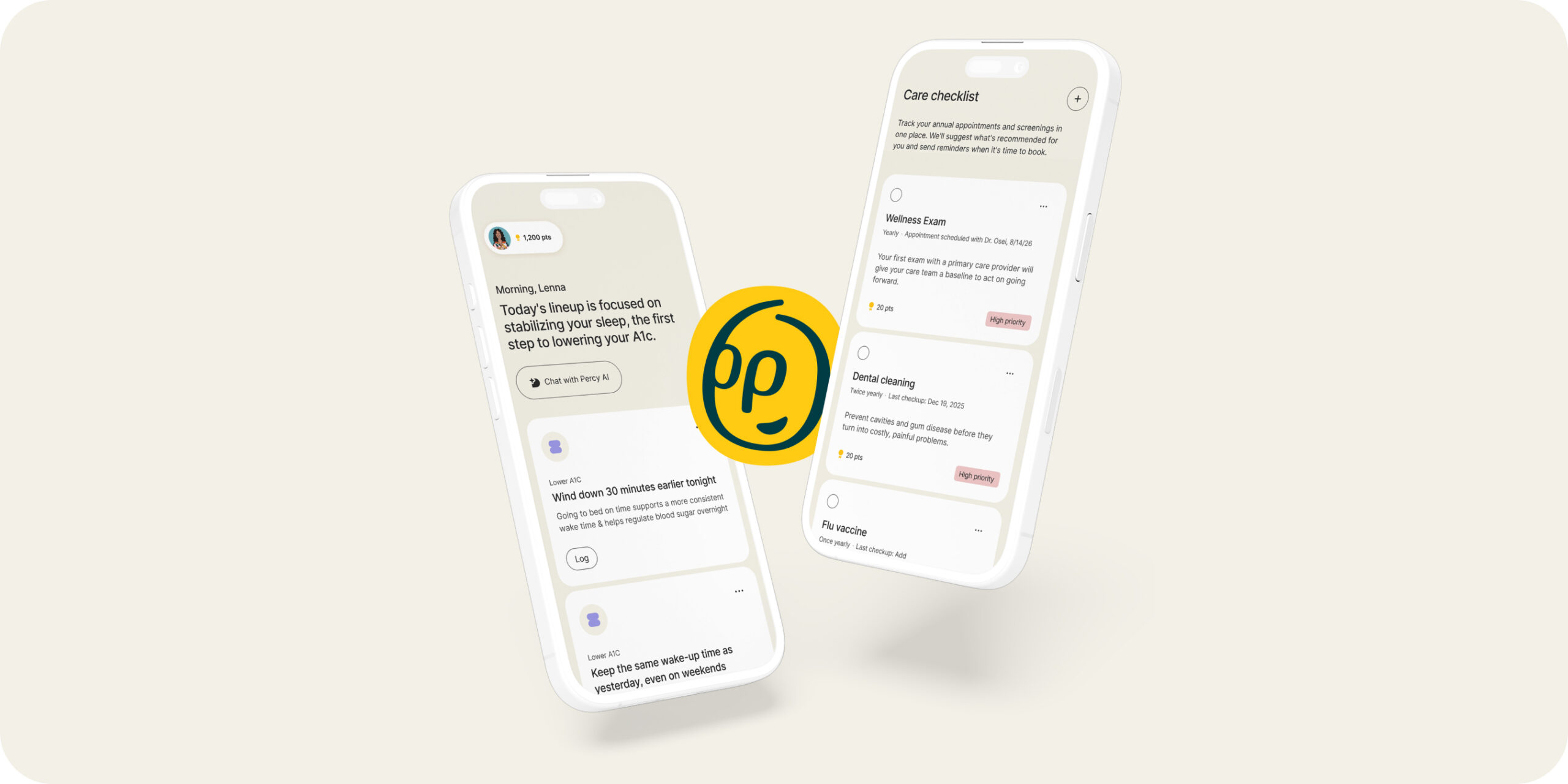
How to apply this in your organization: Ensure your health & wellbeing vendor is technologically accessible and offers supports wherever your employees are, at whatever time. At Personify Health, our members take an average of 6 separate health actions every day due to the engaging, seamless experience.
4. Time your message to the shift, not the clock
Timing matters just as much as the channel. One survey found over half of frontline workers only catch things like town halls once a month or less, and barely one in ten check a company intranet daily.
So instead of assuming everyone’s reading something first thing in the morning, time your messages around shift changes and huddles, when people are actively listening.
5. Make recognition part of the routine
Recognition is the last piece, and it’s probably the most overlooked. People who feel genuinely recognized at work are nearly three times more likely to stay engaged, and peer recognition makes someone a third more likely to feel they belong.
Right now, about one in five frontline workers say they’re rarely or never recognized, which is worth taking seriously, given that losing a skilled frontline employee can cost a company $10,000 or more to replace.
In fact, 39% of frontline workers say being praised in front of peers makes them feel more valued than getting a bonus.
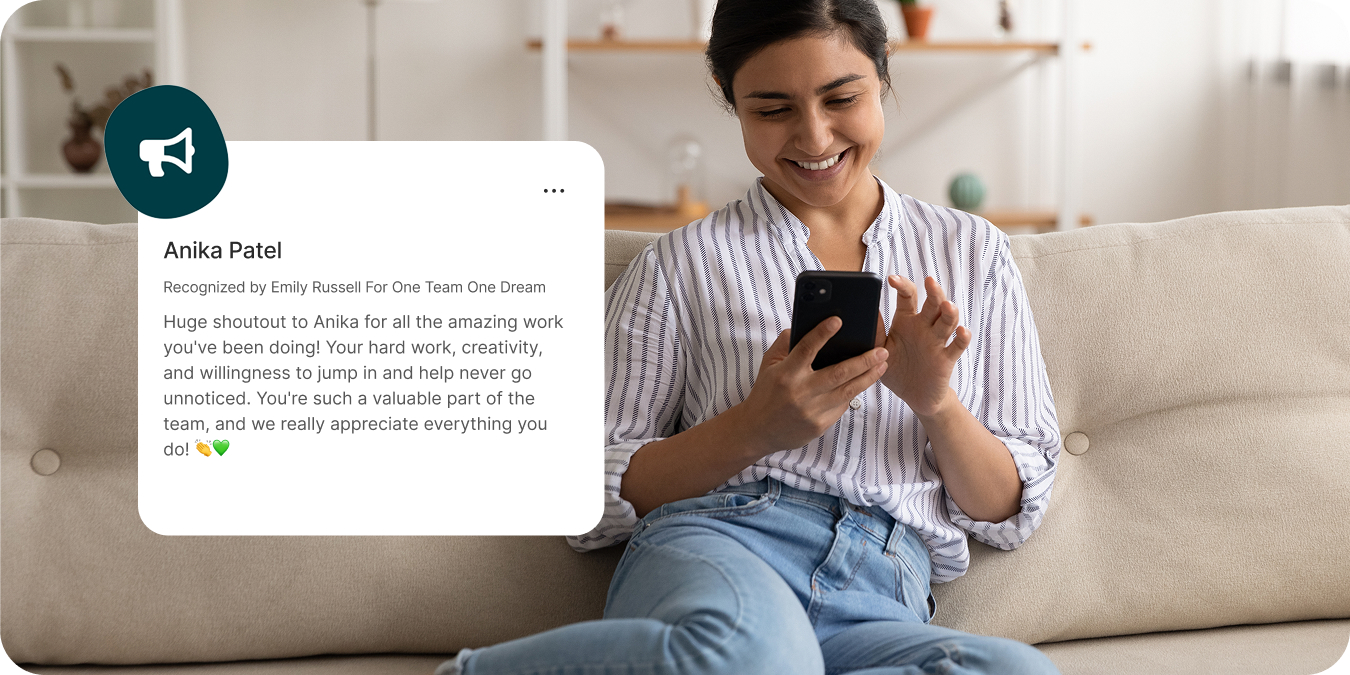
How to apply this in your organization: A quick shoutout from a manager, a small prize, or even a leaderboard goes a long way to boost friendly competition, motivation, and engagement. Personify Health members can send each other Shoutouts right in the app, so that recognition is instant and can be more regular.
You don’t need a bigger budget to put these into practice. It just takes putting your program in front of people where they are.
We wrote a full guide on this for HR and Benefits Teams in manufacturing, including a checklist for figuring out exactly who you’re missing, and a real example of a manufacturer that got enrollment up to 68% and saved over $800K doing it.